
Drain Cleaning Elizabeth NJ
A slow sink, a tub that holds water, a toilet that gurgles when the washer drains. Before any drain gets cleared, it helps to know whether the clog sits right below the fixture or farther along the line, because that decides how it should be cleared and whether it will stay clear.
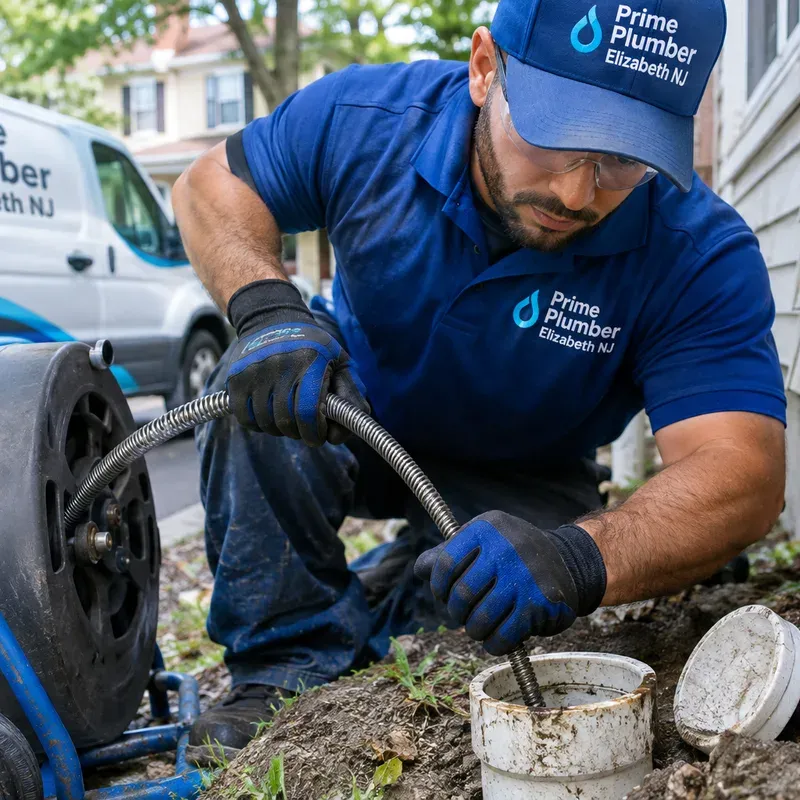
One Slow Drain or Several? Start Here
The pattern of what is backing up says more about the blockage than how bad any one fixture looks.
A single fixture is slow
When one bathroom sink, one shower or the kitchen sink drains slowly while everything else behaves, the restriction is almost always close by: in the trap, the tailpiece or the first few feet of branch pipe.
- Hair and soap film in bathroom sinks and showers
- Grease and food solids in kitchen lines
- A stopper or pop-up assembly full of debris
- Toilet blockages from wipes or too much paper
Several fixtures are affected
When drains on the same floor slow together, or water appears in one fixture while another is used, the blockage is downstream where those branches join. Problems that show up in the lowest drains first point toward the main stack or building drain.
- Tub water rising when the toilet is flushed
- Basement floor drain backing up on laundry day
- Gurgling from fixtures that are not in use
- Sewage odor near floor drains or cleanouts
If pattern B sounds familiar and the problem keeps returning, the main line may need inspection. See sewer line repair in Elizabeth for how that is assessed.
Where Clogs Form in a Drain System
Every fixture drains through a trap, the curved section that holds water to block sewer gas. Traps catch heavy debris by design, which is why so many single-fixture clogs live there. From the trap, a branch drain carries water to a vertical stack, and the stack empties into the building drain that leaves the property.
Traps and tailpieces
Hair, soap, toothpaste and small objects settle here. Clearing at the trap is usually quick, and it is also the right moment to check slip nuts and washers that may be weeping.
Branch lines
Kitchen branches collect grease that cools and hardens on the pipe wall. In older Elizabeth homes, branch lines are sometimes long horizontal runs with modest slope, which gives buildup more chance to collect.
Stacks and the building drain
Cast iron drains in older buildings can develop scale and rough interior surfaces that catch paper and wipes. Clogs here affect several fixtures at once and are often reached through a cleanout.
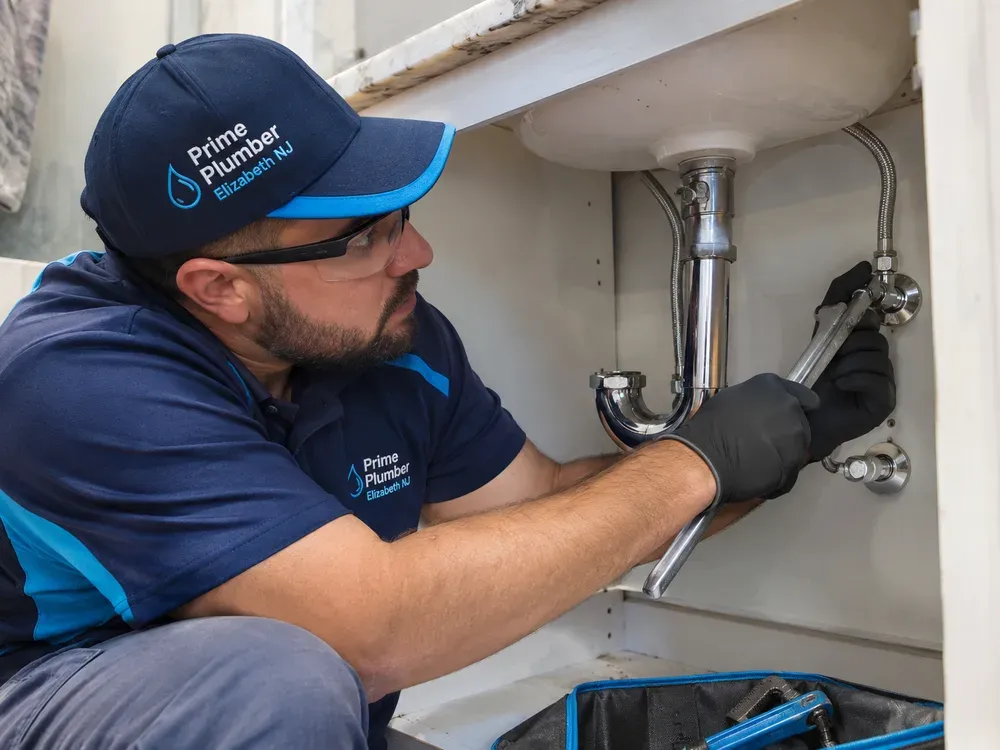
How a Drain Is Cleared
The method depends on where the blockage is, what the pipe is made of and how it can be reached.
Confirm the pattern
Fixtures are run one at a time to see which are slow and whether water shows up anywhere unexpected.
Choose the access point
A trap, a fixture opening or a cleanout is chosen so the cable reaches the blockage without straining fittings.
Clear mechanically
A hand auger or drain cable sized to the pipe cuts through and retrieves the obstruction rather than just pushing it along.
Test and look again
Water is run at volume to confirm full flow. A clog that cannot be explained may call for a camera look before anyone repeats the work.
Skip the chemical openers. Caustic drain products can sit in a blocked line, damage older pipe and finishes, and make the work hazardous for whoever opens the drain next. If you have already used one, say so when you call.
Same Drain Again? Let's Find Out Why
Tell us which fixtures are affected and how often it has happened. That history shapes the plan.
Drain Habits That Matter in Elizabeth Homes
Two-family houses and apartment buildings are common across Elizabeth, and in many of them more than one household drains into the same stack. A kitchen clog upstairs can become a backup downstairs, so it helps to let neighbors in the building know what is happening and to report every affected unit when you call.
Winter adds its own pattern. Grease poured down a sink cools faster in cold pipes along exterior walls and in unheated basements, and it hardens on the pipe wall. Wiping pans before washing them, using strainers in tubs and showers, and keeping wipes out of toilets prevent most repeat calls. When a clog still comes back, it is worth asking whether the line itself is part of the problem, which is the kind of question our Elizabeth plumbing services are set up to answer.
Drain Cleaning Questions
Why does the same drain keep clogging?
A drain that clogs again within weeks was usually opened rather than cleaned. A small hole punched through a blockage restores flow for a while, but grease, hair or scale left on the pipe walls catches new debris quickly. Other causes include a trap or branch line with too little slope, a partly blocked vent, or a damaged section that snags material. Finding which one applies is what stops the cycle.
What if several drains back up at once?
When a tub fills as the toilet flushes, or the basement floor drain rises while the washing machine empties, the blockage is probably in a line those fixtures share rather than in any single trap. Stop running water if you can, avoid chemical openers and call. If the main line is involved, the next step is covered on the sewer line repair page.
What should I report when I call?
List the fixtures that are slow or backing up and which floor they are on. Say whether water comes up in a different fixture, how long the problem has been going on, and whether it has been cleared before and how. Mention any cleanout you know of, such as a capped pipe in the basement or yard, because access affects how the line is cleared.