
A
Roots at joints
Fine roots enter through small gaps in older joints and grow into mats that catch paper. Clearing removes them for a time, but they usually return unless the entry point is dealt with.
When the basement floor drain rises as the washing machine empties, or every drain in the house slows at once, the problem is rarely in a single fixture. Sewer work starts with confirming what is happening inside the main line, and only then deciding how much of it needs repair.
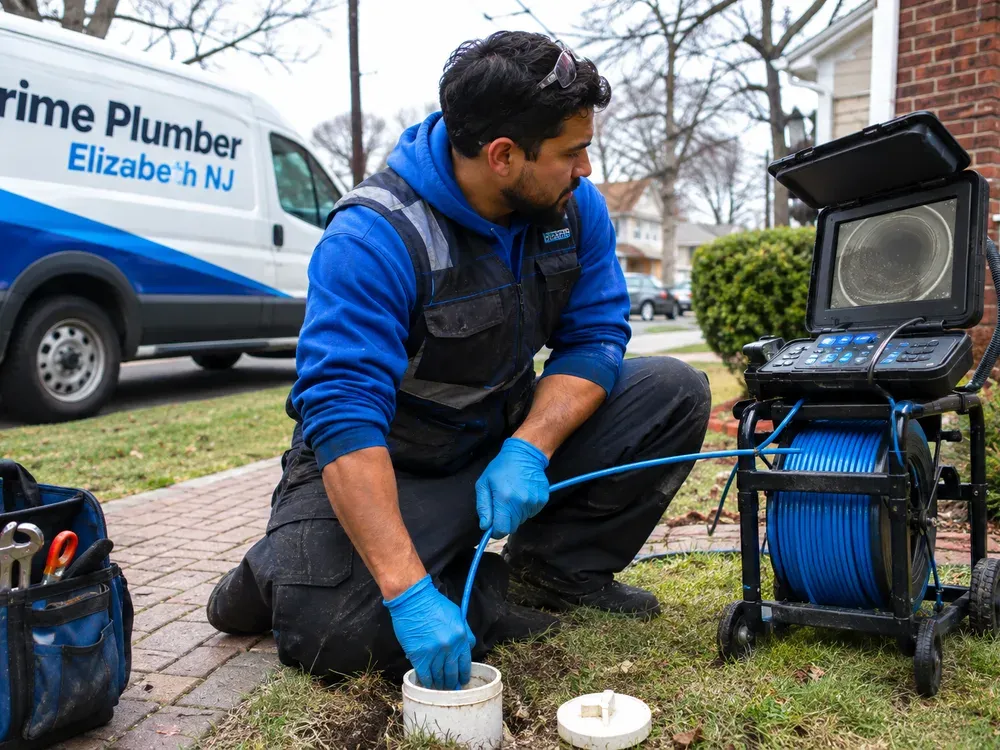
Every drain in a property feeds into a single building sewer that carries waste out to the public system. When that line is restricted, the symptoms spread across the building instead of staying with one fixture. A clog in a bathroom branch slows that bathroom; a main-line problem shows up wherever the drains sit lowest.
If only one fixture is slow, the cause is more likely local, and drain cleaning is the better starting point.
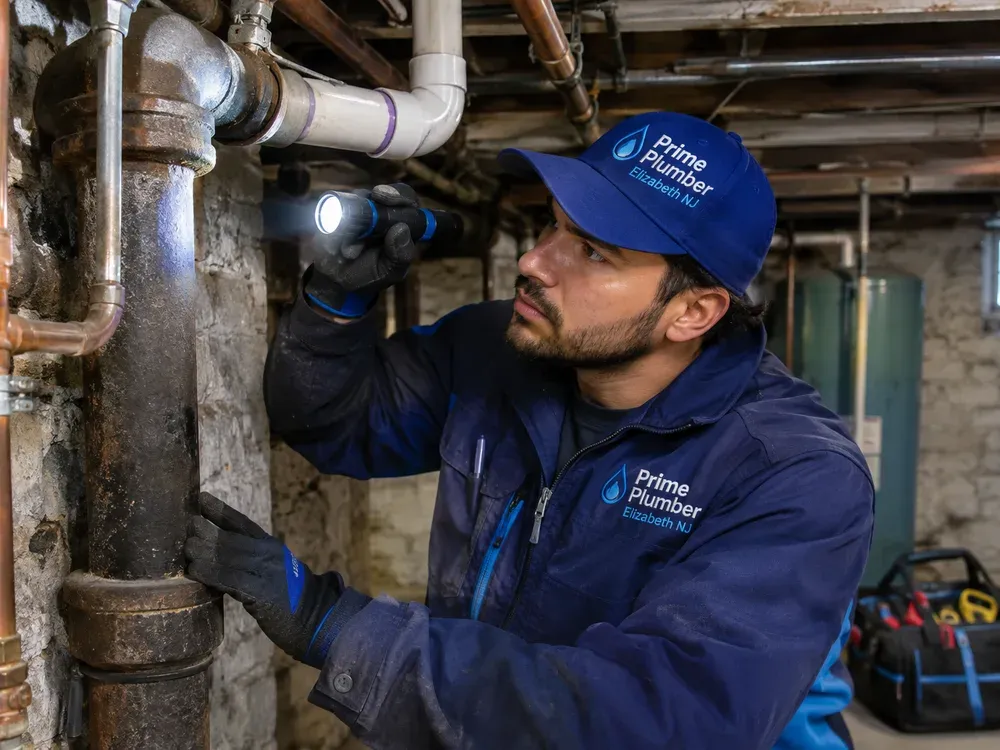
Each step either confirms the next or changes direction. Nothing gets dug up on a hunch.
Which fixtures backed up, in what order and how often. The plumber locates a usable cleanout, typically in the basement near where the drain leaves the building or in the yard, because access shapes everything that follows.
If the line is blocked, it is cleared with a cable sized for the building drain so the property is usable again and the pipe can be examined. What comes back on the cable, such as roots, grease or paper, is itself a clue.
Where a camera inspection is appropriate, it travels the pipe to show its condition and the location of any defect. Findings commonly include root intrusion at joints, offset or separated joints, cracks, sags that hold water and heavy buildup.
This is where the repair is chosen, and it is based on what was seen rather than on the symptom alone.
The repair method depends on depth, location, pipe material and what sits above the line. Excavation and any trenchless method are discussed only where they suit the findings. Permits are confirmed for the scope, and the line is tested with flow before the work is closed out.
Fine roots enter through small gaps in older joints and grow into mats that catch paper. Clearing removes them for a time, but they usually return unless the entry point is dealt with.
Ground movement can shift one pipe section out of line with the next, leaving a lip that snags waste. A small offset may be tolerable; a large one tends to cause repeat backups.
Cracked clay, corroded cast iron and pipe that has lost its round shape let in soil and water. Their extent along the line matters more than any single crack.
A low spot holds water and solids, so the same location clogs again and again. Heavy grease or scale narrows the pipe even when it is structurally sound.
Where the property owner's responsibility ends and the public sewer begins is set by local rules, and it is confirmed for your address before any repair beyond the building is planned. Mature street trees, driveways and front stoops sit over many Elizabeth sewer laterals, which affects how a line can be reached.
In two-family and multi-unit buildings, a main-line backup affects every household, so let other occupants know to hold off on running water. Stay out of standing sewage and keep children and pets away. Sewer work is one part of Prime Plumber Elizabeth NJ's local service, and the findings are explained before any decision is asked of you.
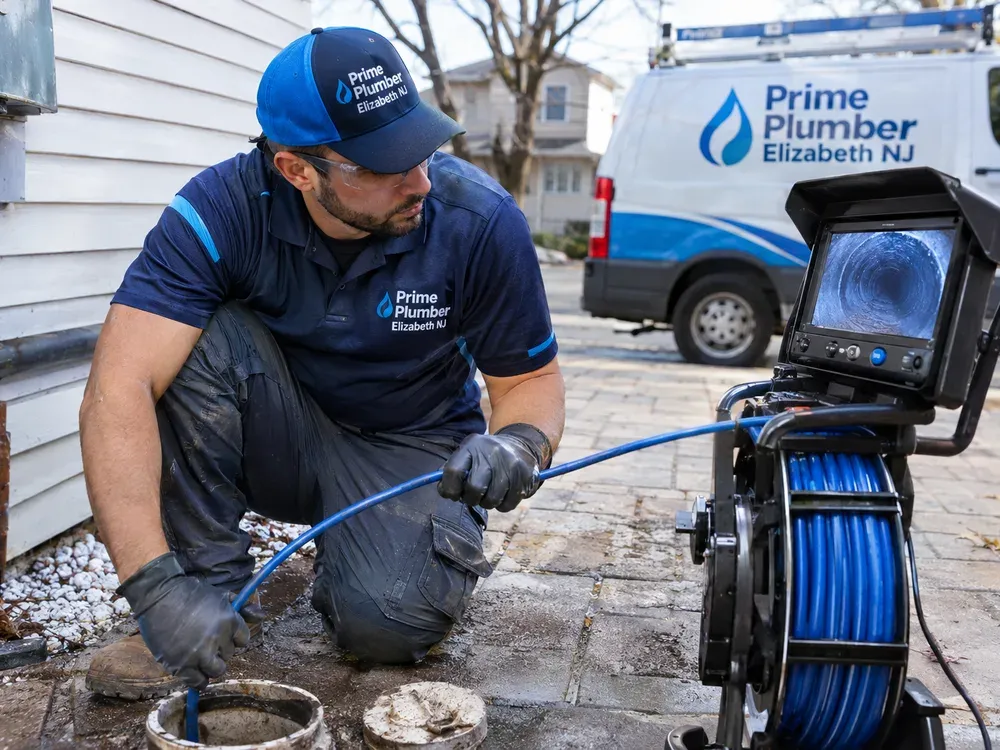
A single clog affects one fixture and usually sits in its trap or branch. A building sewer problem affects the whole property because every drain eventually flows into that one line. The giveaway is that the lowest fixtures, such as a basement floor drain, a first-floor toilet or a basement shower, back up first, often when water is used somewhere else in the building.
A camera is useful when backups keep returning after the line has been cleared, when roots or damage are suspected, or before anyone recommends digging. It shows what is inside the pipe and roughly where, which turns a guess into a finding. It needs a usable access point, usually a cleanout, and a line clear enough for the camera to travel.
What the inspection finds and how much of the line is affected. A single cracked joint or one root entry point in otherwise sound pipe is a candidate for a localized repair. Several defects along the run, a collapsed section or pipe that has lost its shape push the decision toward replacing more of it. Depth, location under paving or landscaping, and permit requirements also shape the method.